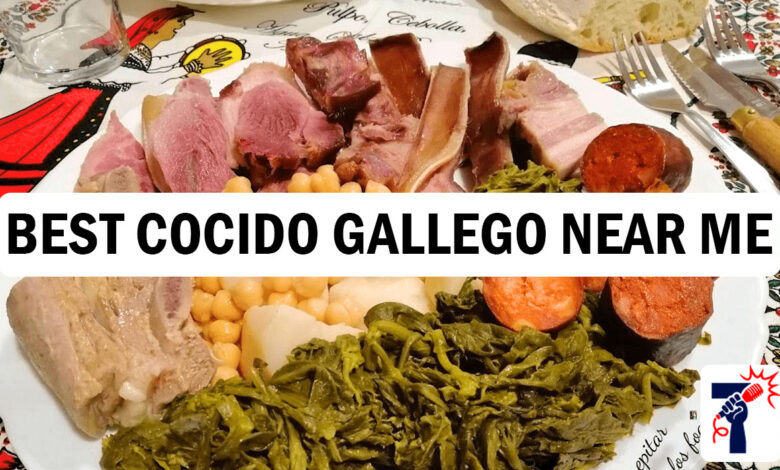
If you are searching for the best cocido gallego near me, you are looking for one of the most comforting and traditional stews in all of Spanish cooking. This rich, slow-cooked dish comes from the Galicia region in northwestern Spain and has been warming people’s hearts for hundreds of years. Whether you live in a big city or a small town, this guide will help you understand what this dish is, how to find a truly authentic version near you, and what to look for before you order.
What Is Cocido Gallego?
Cocido Gallego is a hearty Spanish stew made with slow-cooked pork, chickpeas, potatoes, chorizo, and leafy greens like turnip tops or cabbage. Everything cooks together in one pot for hours, which gives the broth a deep, rich flavor that is hard to forget. It is a dish that feels like a warm hug on a cold day.
The dish comes from Galicia, a green and rainy region in the northwest corner of Spain. Farmers and working families there made this stew for centuries using simple, affordable, and local ingredients. Over time, it became one of the most beloved dishes in the entire country, and now food lovers all over the world want to try it.
What Makes Cocido Gallego Different from Other Stews?
Many Spanish regions have their own version of “cocido,” but the Galician version stands out because of its specific ingredients and serving style. Cocido Gallego uses pork cuts like lacón (cured pork foreleg), pork ribs, and smoked ham. It also includes grelos, which are Galician turnip greens with a slightly bitter taste that balances the richness of the meat perfectly.
Another thing that makes it special is how it gets served. A traditional cocido gallego comes in three separate courses: first the warm broth, then the chickpeas and vegetables, and finally the meats on their own plate. This slow, staged way of eating turns the meal into a real experience, not just a quick bite.
Key Ingredients You Should Expect
When you visit a restaurant and order this dish, knowing what goes inside helps you judge whether it is authentic or not. A true cocido gallego includes the following core ingredients:
- Pork cuts: ribs, lacón, ham hock, and sometimes ears or feet
- Chorizo: smoked Spanish-style sausage
- Chickpeas or white beans: soft and fully cooked through
- Potatoes: peeled and cut into large chunks
- Grelos or cabbage: leafy greens that add freshness to the dish
- Unto: a small amount of salted pork fat that gives the broth its signature depth
If a restaurant skips most of these or serves a thin, watery broth, it is probably not the real thing. A good cocido should have a thick, golden, and deeply flavored broth that smells smoky and savory.
When and Where to Find Cocido Gallego
Cocido Gallego is a seasonal dish, and that matters when you are looking for it. Restaurants typically serve it during the colder months, from late fall through early spring. During the summer, most places take it off the menu because it is a heavy, warming meal that does not suit hot weather.
In Spain, the town of Lalín in Galicia hosts a famous annual Cocido Festival every February, drawing thousands of visitors who come just to eat this dish. The city of Santiago de Compostela also serves it at traditional taverns throughout the winter season. Outside of Spain, cities like New York City, Miami, and Los Angeles have Spanish and Galician restaurants that offer it seasonally. If you live near a large city with a Spanish-speaking community, your chances of finding a great version close to you are much higher.
How to Find the Best Cocido Gallego Near You
Finding a truly authentic version of this dish takes a little research, but it is not hard once you know what to look for. Here are some practical steps you can take right now:
Search smart online. Open Google Maps or Yelp and type “Spanish restaurant” or “Galician restaurant” in your area. Look for places with good ratings and check if their menu includes traditional dishes. Restaurants that specialize in Galician cooking are the most likely to serve a proper cocido.
Read customer reviews carefully. Look for reviews that mention cocido gallego by name. Positive comments about rich broth, tender meat, and generous portions are great signs. Avoid restaurants where reviews mention bland flavors or skimpy servings.
Check the photos. Customer-uploaded photos on Google Maps and Yelp tell you a lot. A real cocido should look hearty, dark in color, and full of ingredients. If the bowl looks thin and pale, move on.
Call ahead. Because this dish needs hours to prepare, many restaurants do not make it every single day. Call before you go and ask if they are serving it that day. This simple step saves you a wasted trip and also shows you whether the restaurant takes the dish seriously.
Use social media. Many smaller family-owned restaurants post their daily or weekly specials on Instagram or Facebook. Following local Spanish restaurants on social media is one of the best ways to catch cocido on the menu before it sells out.
Signs of a High-Quality Cocido Gallego
Not all versions of this dish are equal. Knowing the signs of a well-made cocido helps you choose the right restaurant every time. A good cocido gallego should have broth that is dark, rich, and slightly smoky. The beans should be soft but not falling apart. The meat should be tender enough to pull apart with a fork, and the greens should keep their color and texture.
Avoid places that serve a watery or overly salty version. This usually means the chef rushed the cooking process or cut corners on ingredients. A real cocido takes at least three to four hours to prepare properly, and you can taste the difference. If the restaurant also serves it in the traditional three-course style, that is a strong sign they respect the dish and its roots.
What to Drink with Cocido Gallego
The right drink makes this meal even better. Wine experts who know Galician food recommend light-bodied red wines with high acidity, because they cut through the fat of the pork without clashing with the broth. A Caíño Tinto or a Ribeiro red wine from Galicia are excellent choices if you can find them.
If you prefer something non-alcoholic, sparkling water with lemon is a great option because it also cleanses the palate between bites. Many restaurants in Spain serve crusty bread alongside the stew, which you can dip into the broth to enjoy every last drop.
Conclusion
Finding the best cocido gallego near you is all about knowing what to look for and doing a little homework before you go. This dish is more than just a stew. It is a taste of Galician history, family tradition, and slow cooking done right. Search for Spanish or Galician restaurants in your area, read real customer reviews, and always call ahead to confirm availability. Once you find a great spot and taste the real thing, you will understand why people keep searching for it again and again.
Frequently Asked Questions
1. What is cocido gallego made of?
Cocido gallego is made with slow-cooked pork cuts, chorizo, chickpeas or white beans, potatoes, and leafy greens like turnip tops or cabbage. Everything cooks together in one pot to create a rich and flavorful broth.
2. Is cocido gallego the same as caldo gallego?
No, they are different. Caldo gallego is a lighter soup made mostly with greens, beans, and broth. Cocido gallego is a much heartier stew served in three courses with large portions of meat, vegetables, and chickpeas.
3. What time of year can I find cocido gallego on the menu?
Most restaurants serve cocido gallego during the colder months, from late fall through early spring. It is a warming, heavy dish that chefs typically remove from summer menus.
See more amazing Information visit Fact News