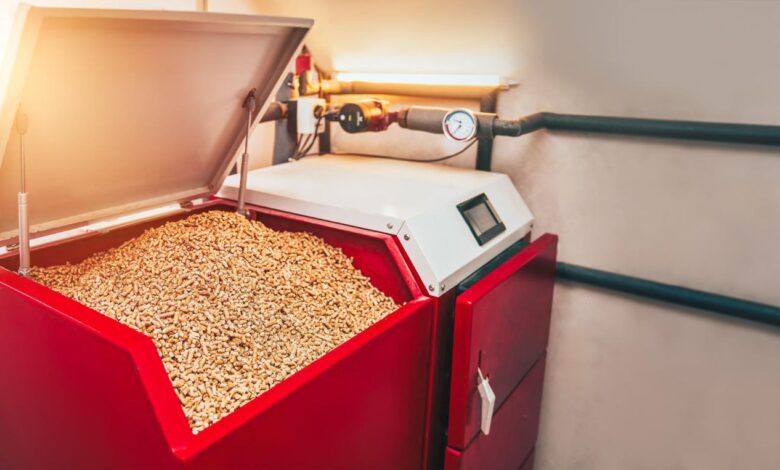
As the world shifts toward sustainable energy, biomass boilers have emerged as a premier heating solution for both domestic and commercial properties. Utilizing organic materials—such as wood pellets, chips, or logs—these systems offer a carbon-neutral alternative to traditional fossil fuel boilers. However, unlike a standard gas boiler, a biomass system is a sophisticated piece of mechanical engineering that involves the physical movement of solid fuel and the management of combustion by-products like ash and soot.
To ensure your investment continues to operate at peak efficiency, maintains its warranty, and remains safe, professional servicing is non-negotiable. In this comprehensive guide, we will explore the intricate details of what a professional biomass service entails and provide a definitive timeline for maintenance.
Why Is Servicing a Biomass Boiler Different?
Before diving into the checklist, it is important to understand the nature of biomass. Gas and oil boilers burn fluid fuels that leave very little residue. Biomass boilers burn solid fuel. Even the highest-quality wood pellets produce a small amount of ash and can create “clinker” (hardened ash deposits). Furthermore, biomass boilers use mechanical augers (screw conveyors) to move fuel and complex sensors (like Lambda probes) to monitor oxygen levels.
Because there are more moving parts and physical residues involved, the servicing is more labor-intensive and technically demanding than that of a standard boiler.
How Often Should a Biomass Boiler Be Serviced?
The frequency of servicing depends on several factors, including the type of fuel used, the size of the system, and the intensity of use. However, there are three primary benchmarks:
1. The Annual Service (The Minimum Requirement)
For the vast majority of domestic installations, a comprehensive professional service once a year is the industry standard. Most manufacturers require an annual service record to keep the warranty valid. This is typically scheduled in the spring or summer months to ensure the system is ready for the heavy workload of winter.
2. Operational Hours (The Commercial Standard)
Large-scale commercial boilers or systems used for district heating often run much harder than domestic ones. Many modern boilers have a control panel that tracks “run hours.” Manufacturers often recommend a full service every 2,000 to 3,000 operational hours. If your boiler reaches this limit in six months, it must be serviced then, regardless of whether a year has passed.
3. Tonnage of Fuel
Some systems base their maintenance schedule on the amount of fuel processed. For example, a service might be required after every 15–20 tonnes of wood pellets burned.
Factors That May Require More Frequent Servicing:
- Low-Quality Fuel: Using “wet” wood or pellets with high dust content (fines) leads to faster soot buildup and mechanical strain.
- Short Cycling: If the boiler is oversized for the property, it may turn on and off frequently, which increases wear and tear on the ignition elements and motors.
What Does a Professional Biomass Boiler Service Include?
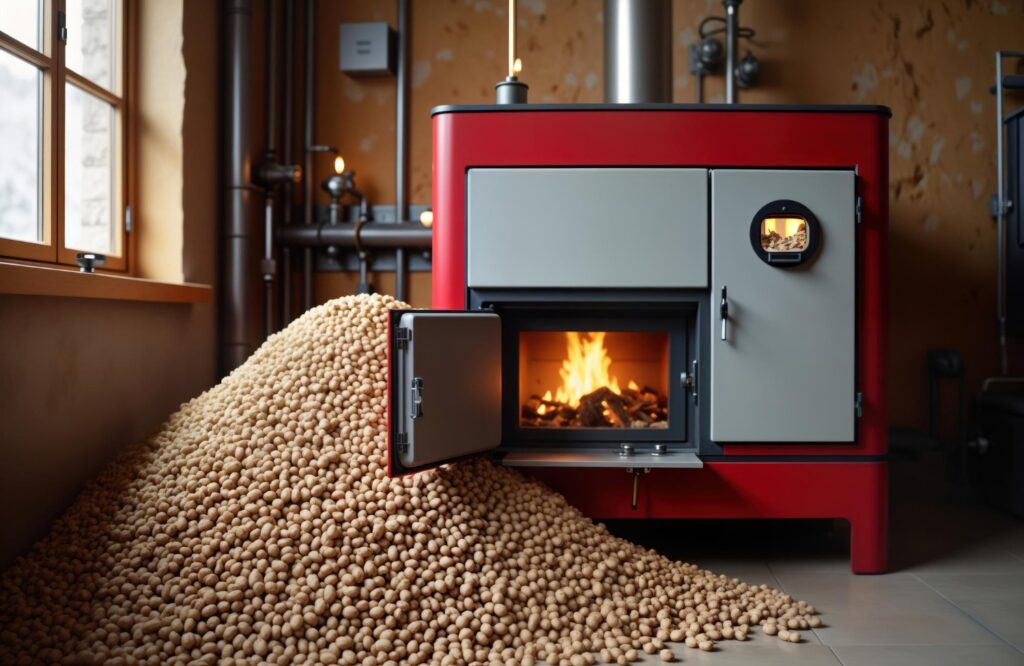
A professional service performed by a HETAS-registered or manufacturer-approved biomass boiler engineer usually takes between 2 to 4 hours. It is far more than a “quick look”; it is a deep-clean and technical calibration. Here is the step-by-step breakdown:
1. Visual Inspection and Pre-Service Checks
The engineer begins by inspecting the general condition of the boiler room. They check for signs of leaks, soot leakage (indicating failing seals), and the general health of the fuel storage area. They will also review the boiler’s error log to see if the system has been struggling with specific faults, such as ignition failures or over-temperature events.
2. Cleaning the Heat Exchanger
The heat exchanger is where the heat from the fire is transferred to the water in your heating system. Over time, soot and fly-ash coat these surfaces. Even a 1mm layer of soot can reduce the efficiency of heat transfer by up to 10%.
- Manual Cleaning: The engineer will remove access panels and use specialized brushes or vacuums to clear the internal tubes or plates.
- Automatic Cleaning Mechanism Inspection: Many biomass boilers have “turbulators” (internal springs/spirals) that shake off soot automatically. The engineer will check these for physical damage or jamming.
3. Combustion Chamber and Burner Grate
This is the heart of the boiler.
- Ash Removal: While owners usually empty the ash pan, the engineer will deep-clean the combustion chamber, removing ash from crevices that the owner cannot reach.
- Grate Inspection: The burner grate is subject to intense heat. The engineer checks for warping, cracks, or “clinker” buildup that could block airflow and lead to incomplete combustion.
- Refractory Brick Inspection: High-end boilers use ceramic bricks to line the firebox. These are checked for cracks. Small hairline cracks are normal, but significant degradation requires replacement to prevent heat damage to the outer boiler shell.
4. Fuel Delivery System (Augers and Motors)
Biomass boilers rely on mechanical movement.
- Auger Inspection: The engineer checks the screws that move fuel from the hopper to the burner. They look for signs of wear and remove “fines” (sawdust) that can compact and cause the motor to burn out.
- Lubrication: Bearings and chains are lubricated to ensure smooth, quiet operation.
- Drive Belts: If the system uses belts, they are checked for tension and fraying.
5. Fans and Air Supply
Proper combustion requires the perfect mix of fuel and air.
- Primary and Secondary Air Ports: These are cleaned to ensure oxygen can reach the fire.
- Combustion and Induced Draught (ID) Fans: These fans pull air in and push exhaust out. Dust buildup on fan blades can cause imbalances and vibration, eventually leading to bearing failure. The engineer will clean the blades and ensure the fans spin freely.
6. Sensors and Igniters
The electronics of a biomass boiler are highly sensitive.
- Lambda Sensor: This is arguably the most important component. It measures oxygen in the flue gas and tells the boiler to increase or decrease air/fuel. The engineer cleans the sensor and calibrates it. A faulty Lambda sensor will cause the boiler to waste fuel and produce excessive smoke.
- Photocell/Flame Sensor: This “eye” tells the boiler if the fire is lit. It is cleaned of any soot.
- Ignition Element: The glow plug or ceramic heater is checked. These are consumable parts that have a limited number of “starts.”
7. Safety Device Testing
Safety is paramount. The service includes testing:
- Overheat Thermostats: Ensuring the boiler shuts down if it gets too hot.
- STB (Safety Temperature Brackets): Manual reset triggers for extreme temperatures.
- Pressure Relief Valves: Checking for leaks or blockages.
- Back-burn Protection: Testing the rotary valves or fire dampers that prevent the fire from traveling backward from the burner into the fuel store.
8. Flue and Chimney Inspection
The engineer will check the flue connection and the “T-piece” for any soot accumulation. While a full chimney sweep is a separate task, the engineer will ensure the boiler is venting correctly and that there are no obstructions.
9. Flue Gas Analysis (The Efficiency Test)
This is the final and most critical step. Using a digital flue gas analyzer, the engineer measures:
- CO (Carbon Monoxide)
- CO2 (Carbon Dioxide)
- O2 (Oxygen levels)
- Flue Temperature
These readings confirm whether the boiler is burning cleanly. If the readings are off, the engineer will adjust the air/fuel ratios in the boiler’s software.
Owner Maintenance vs. Professional Servicing
It is important to distinguish between what you, the owner, should do and what the engineer does.
- Owner Maintenance: Emptying the ash pan (weekly/monthly), checking fuel levels, keeping the boiler room clean, and a visual check for any obvious leaks or strange noises.
- Professional Servicing: Internal deep-cleaning, mechanical lubrication, safety testing, sensor calibration, and flue gas analysis. Never attempt to service the internal electronics or mechanical drive systems yourself.
The Benefits of Regular Servicing
1. Fuel Savings and Efficiency
As soot builds up, the boiler has to burn more fuel to reach the same temperature. A well-serviced boiler can be 10–15% more efficient than a neglected one, which translates to hundreds of pounds/dollars saved in fuel costs annually.
2. Preventing Costly Breakdowns
The most common cause of biomass boiler failure is a jammed auger or a burnt-out motor due to sawdust accumulation. A service identifies these issues before they lead to a mid-winter breakdown.
3. Carbon Monoxide Safety
Any combustion process carries a risk of Carbon Monoxide (CO). Professional servicing ensures that the flue is clear and the combustion is complete, keeping your family or employees safe.
4. Warranty and Insurance Compliance
Most manufacturers (such as ETA, Froling, Windhager, or Grant) mandate annual servicing by an approved engineer to keep the warranty valid. Furthermore, some commercial insurance policies require proof of maintenance for fire safety compliance.
Choosing the Right Engineer
A biomass boiler is not a standard gas appliance. When booking a service, ensure the technician has the following:
- Specific Training: They should be trained on your specific brand of boiler.
- Accreditation: In the UK, look for HETAS or MCS registration. In other regions, check for equivalent renewable energy certifications.
- Specialized Equipment: They must bring a vacuum designed for ash (not a standard shop vac) and a calibrated flue gas analyzer.
Conclusion
A biomass boiler is a high-performance, eco-friendly heating machine. Like a high-end car, its longevity and performance are directly linked to how well it is maintained. By committing to an annual service (or every 2,500 hours for commercial use), you ensure that your system remains a reliable, cost-effective, and safe source of heat for decades to come.
Don’t wait for the first frost of winter to find out your boiler is struggling. Schedule your service in the off-season, keep your records updated, and enjoy the peace of mind that comes with a professionally maintained renewable energy system.