Choosing the right custom box style is one of the most important decisions for any product-based business. Packaging is not only used to hold and protect products; it also creates the first impression of your brand. When customers receive a product, the box is often the first thing they notice before they even see the item inside. A well-designed box can make your product look more professional, premium, and trustworthy.
Many brands focus only on colors, logos, or printing, but the box style matters just as much. The right structure can improve product safety, display value, shipping performance, and customer experience. Whether you sell cosmetics, food items, apparel, jewelry, candles, electronics, or retail products, choosing the right packaging style can help your product stand out in a competitive market.
Understand Your Product First
Before selecting any box style, you need to understand your product’s shape, size, weight, and sensitivity. A lightweight cosmetic item may not need the same packaging as a glass jar, food product, or luxury gift item. Fragile products need strong protection, while display products may need packaging that looks attractive on shelves.
Ask yourself a few simple questions: Is the product breakable? Does it need inserts? Will it be shipped directly to customers? Does it need to look premium? Is the product small, large, flat, round, or irregular in shape? These details help you decide which box style will work best.
For example, a delicate perfume bottle may need a rigid box with inserts, while a lightweight soap bar may work perfectly in a tuck-end box. Apparel products may look better in mailer boxes, while bakery items may need window boxes to show the product inside.
Consider the Purpose of the Packaging
Every box has a purpose. Some boxes are made for shipping, some for retail display, and some for luxury presentation. If your product is going directly to a customer through delivery, strength and protection should be your main focus. If your product will be displayed in a store, appearance and shelf appeal become more important.
Retail boxes should be easy to open, attractive, and designed to catch attention. Shipping boxes should be durable, secure, and able to handle movement during transit. Gift boxes should create an emotional and premium experience. Once you know the purpose, it becomes easier to choose the right custom box style.
Choose the Right Box Style for Your Product
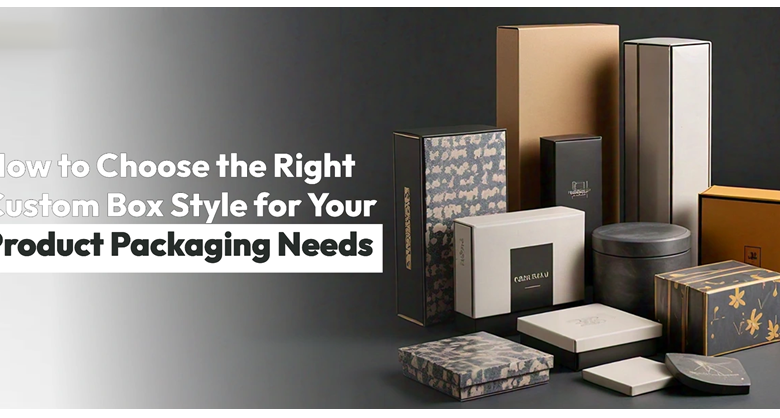
There are many box styles available, and each one serves a different purpose. Tuck-end boxes are a popular choice for small retail items because they are simple, affordable, and easy to assemble. They are often used for cosmetics, soaps, candles, and small product packaging.
Mailer boxes are ideal for eCommerce brands because they are sturdy and stylish. They can protect products during shipping while still giving customers a good unboxing experience. Rigid boxes are best for luxury products such as perfumes, jewelry, watches, premium gifts, and high-end retail items.
Sleeve boxes create a modern and clean presentation. They are commonly used for cosmetics, tech accessories, and gift products. Display boxes are useful for products that need to be presented on counters or shelves, such as candies, lip balms, small cosmetics, or promotional items.
Window boxes are a great choice when you want customers to see the product before buying it. These boxes are commonly used for bakery products, food items, toys, candles, and retail goods.
Focus on Product Protection
A beautiful box is important, but protection should never be ignored. If the packaging does not protect the product, it can lead to damage, returns, bad reviews, and customer dissatisfaction. The box should fit the product properly and hold it securely.
For fragile or premium items, you may need inserts, dividers, or foam support. Inserts help keep the product in place and prevent movement inside the box. For food products, the box material should be suitable for product safety and presentation. For heavier products, corrugated or thicker cardboard options may be better.
Good protection also depends on the product journey. If your product will be shipped long distances, you need stronger packaging. If it is mainly sold in-store, you can focus more on presentation while still keeping the product secure.
Match the Box Style with Your Brand Image
Your packaging should reflect your brand personality. A luxury brand may need elegant rigid boxes, magnetic closure boxes, or premium finishes. A natural skincare brand may prefer kraft boxes with simple printing. A modern tech brand may choose clean sleeve boxes or minimal tuck-end boxes.
The shape, material, color, and finishing all work together to build your brand image. Packaging should make customers feel that the product inside is valuable. This is why many businesses invest in custom boxes that match their product type, brand story, and customer expectations.
Your box style should also be consistent with your website, logo, and overall branding. When everything looks connected, customers remember your brand more easily.
Think About Customer Experience
Packaging is now a big part of the customer experience. People often share attractive packaging on social media, especially if the unboxing feels premium or creative. A good box style can make customers feel excited before they even use the product.
Easy opening, neat product placement, attractive printing, and strong structure all improve the experience. If the box is difficult to open or feels weak, it can reduce the perceived value of your product. On the other hand, a well-designed box can make even a simple product feel more special.
For eCommerce brands, the unboxing experience is especially important. Since customers do not touch the product before buying, the packaging becomes the first physical connection between your brand and the buyer.
Select the Right Material
The material you choose affects the look, strength, and cost of your packaging. Cardboard is a common option for retail boxes because it is lightweight, printable, and suitable for many products. Kraft material gives a natural and simple look, which is often used for organic, handmade, or eco-conscious products.
Corrugated material is stronger and works well for shipping boxes, subscription boxes, and heavier items. Rigid material is thicker and premium, making it ideal for luxury products and gift packaging. The material should support your product’s weight and also match your brand style.
Choosing the wrong material can affect both product safety and presentation. That is why material selection should be made carefully based on your product category and packaging goal.
Pay Attention to Size and Fit
Box size plays a major role in both protection and cost. A box that is too large can make the product move around, increasing the risk of damage. It can also increase shipping costs. A box that is too small can crush the product or make packaging difficult.
The best custom box style should fit the product properly while leaving enough space for inserts, wrapping, or protective material if needed. Proper sizing also creates a cleaner and more professional look.
Custom sizing is especially useful for brands with unique product shapes. It allows you to avoid loose packaging and gives the product a more premium appearance.
Use Printing and Finishing Wisely
Once you choose the right box style, printing and finishing can make it more attractive. You can add your logo, product name, brand colors, instructions, ingredients, barcode, or promotional message. Finishing options like matte coating, gloss coating, foil stamping, embossing, debossing, and spot UV can add a premium touch.
However, the finishing should match the product type. A luxury product may need foil or embossing, while a simple organic product may look better with minimal printing on kraft material. The goal is to make the packaging attractive without making it look overdesigned.
Keep Budget and Quantity in Mind
Different box styles have different costs. Simple tuck-end boxes are usually more affordable, while rigid boxes, magnetic boxes, and boxes with inserts may cost more. Your packaging budget should match your product price and business goals.
If you are launching a new product, you may start with a practical and cost-effective box style. As your brand grows, you can upgrade to more premium packaging. Ordering in bulk can also help reduce the per-unit cost, especially for businesses that need regular packaging supply.
Make Packaging Easy to Store and Assemble
Some box styles look great but take more time to assemble or require more storage space. If you run a fast-moving business, you need packaging that is easy to fold, pack, and manage. Flat-shipped boxes are helpful because they save storage space and are easier to handle.
For retail or eCommerce operations, packaging speed matters. A box that takes too long to assemble can slow down order processing. So, always consider how your team will use the packaging in daily operations.
Final Thoughts
Choosing the right custom box style depends on your product, brand image, customer expectations, and shipping needs. The best packaging is not just attractive; it is practical, protective, and aligned with your business goals. When your box style fits your product properly, it improves presentation, reduces damage, and creates a better customer experience.
Whether you are launching a new product or upgrading your current packaging, investing in the right custom product boxes can help your brand look more professional and memorable. A carefully selected box style can turn simple packaging into a powerful branding tool.
The right packaging choice can make your product easier to sell, safer to deliver, and more enjoyable for customers to receive. By focusing on box style, material, size, protection, and design, you can create packaging that supports both your product and your brand growth.