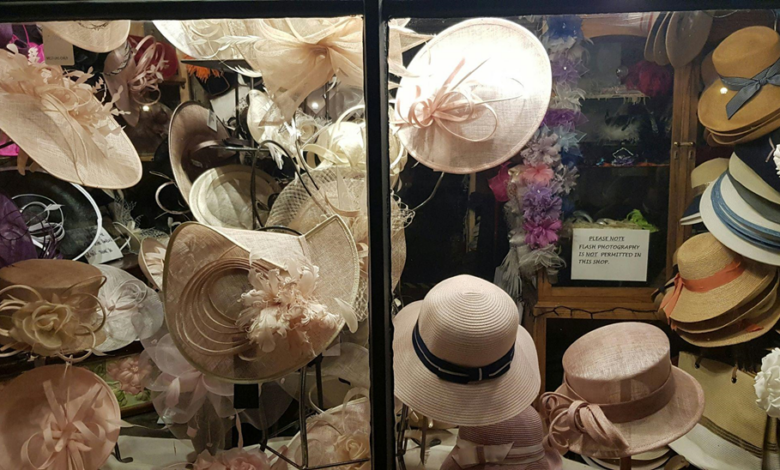
Fashion trends move quickly, yet some accessories continue to remain relevant decade after decade. The fedora is one of the clearest examples. Originally associated with formal menswear and classic tailoring, the silhouette has evolved into something far more versatile. In modern fashion, fedoras now appear across casual streetwear, travel wardrobes, minimalist styling, and fashion editorials because they bring structure and personality into an outfit without requiring dramatic styling.
What keeps the fedora relevant is adaptability. The shape itself is recognizable, but brands continue refining materials, brim proportions, and construction to fit contemporary wardrobes. Softer felt, lighter straw, cleaner silhouettes, and more wearable proportions have helped the fedora move beyond vintage nostalgia into something that feels current again.
The strongest fedora brands in 2026 are not trying to reinvent the silhouette entirely. Instead, they are refining it in subtle ways that make it easier to wear in everyday life while still preserving the character that made the style iconic in the first place.
1. American Hat Makers
The move toward more wearable fedora styling is especially visible in collections from American Hat Makers, where traditional silhouettes are refined through stronger structure, versatile materials, and balanced proportions. Rather than treating the fedora as a purely formal or fashion-only accessory, the brand approaches it as something that can integrate naturally into modern everyday wardrobes.
Material quality plays a major role in this. Structured wool felt, leather, and reinforced straw help the hats maintain shape over time, which is especially important for fedoras where crown definition and brim balance strongly affect the overall silhouette. A well-structured fedora instantly adds sharper visual framing to an outfit, while weaker construction can quickly make the hat feel dated or impractical.
Another reason the collection works so well is versatility. These fedoras move comfortably between different styles rather than feeling tied to one specific aesthetic. They pair naturally with denim, jackets, knitwear, travel clothing, and more refined casual outfits without appearing overly formal or costume-like. That flexibility is one of the biggest reasons the fedora continues to survive changing fashion cycles.
Comfort also matters more than many people realize. Fedoras are only successful long term if people actually enjoy wearing them regularly. Breathable interiors, manageable brim proportions, and lighter construction make these hats easier to wear throughout the day rather than reserving them for occasional styling.
Instead of chasing exaggerated trend versions of the fedora, American Hat Makers succeeds by refining the details that make the silhouette timeless. The result is a collection that preserves the fedora’s classic identity while making it feel relevant for modern style.
2. Janessa Leoné
Janessa Leoné has become one of the strongest references for minimalist fedora styling because of its clean lines and understated luxury approach. Rather than relying on dramatic embellishments, the brand creates visual impact through proportion, material quality, and restrained detailing.
This approach makes the hats especially adaptable within modern wardrobes. Neutral tones and balanced silhouettes allow the fedoras to complement relaxed tailoring, lightweight layers, and travel-focused styling without dominating the outfit.
The brand’s success also reflects a broader shift toward quieter accessories that still carry strong visual structure. Instead of functioning as statement pieces alone, these fedoras help create balance and polish within an overall look.
3. Lack of Color
Lack of Color helped reintroduce the fedora to a younger fashion audience by pushing the silhouette into more editorial and resort-inspired territory. Wider brims, oversized proportions, and cleaner finishes transformed the fedora from a vintage-inspired accessory into something more contemporary and visually striking.
The brand’s hats often function as the focal point of an outfit, especially in travel and warm-weather styling. At the same time, neutral palettes and relatively simple detailing keep the hats versatile enough for repeated wear.
This balance between strong visual identity and everyday usability is one of the reasons Lack of Color continues to influence modern fedora styling.
4. Brixton
Brixton approaches the fedora through a blend of vintage inspiration and relaxed modern styling. Softer felt structures, earthy tones, and understated detailing give the hats a more casual and approachable feel compared to highly formal traditional fedoras.
That relaxed construction makes Brixton especially appealing for everyday wear. The hats transition naturally between casual city outfits, layered seasonal clothing, and weekend styling without feeling too polished or too rugged.
Rather than treating the fedora as a dramatic statement piece, Brixton integrates it more naturally into wearable modern fashion.
5. Gigi Pip
Gigi Pip focuses on accessibility and versatility, creating fedoras that feel current without becoming overly trend-driven. Clean silhouettes, updated color palettes, and simplified detailing help the hats remain easy to style across different wardrobes.
This approach has made the brand especially popular among people who want the structure and personality of a fedora without committing to highly fashion-oriented styling. The hats feel wearable enough for regular use while still adding visual depth to an outfit.
The balance between trend awareness and practicality is what gives the brand broad appeal.
6. Ruslan Baginskiy
Ruslan Baginskiy approaches hats from a more editorial and high-fashion perspective, helping elevate the fedora back into luxury fashion conversations. Strong silhouettes, sculptural proportions, and distinctive detailing give the hats a more artistic identity while still preserving recognizable fedora structure.
The brand’s visibility in celebrity styling and fashion editorials has reinforced the idea that the fedora can still feel modern when construction and proportion are updated thoughtfully.
Even with stronger visual impact, the hats maintain enough balance to avoid feeling overly theatrical, which helps preserve wearability.
7. Stetson
Stetson remains influential because it continues to connect classic hatmaking craftsmanship with modern versatility. While traditionally associated with Western styles, the brand’s fedora collections often incorporate cleaner lines and more understated finishes that work naturally within contemporary wardrobes.
Strong felt construction and recognizable shaping help preserve authenticity, while updated proportions make the hats easier to integrate into modern casual styling.
This combination of heritage and adaptability is one reason Stetson continues to remain relevant even as fashion trends shift.
8. Hicks & Brown
Hicks & Brown offers a more heritage-inspired interpretation of the fedora through wool felt construction, refined detailing, and balanced silhouettes. The hats feel grounded in traditional craftsmanship while still remaining versatile enough for modern styling.
The understated approach gives the brand broad appeal. Instead of relying on exaggerated proportions or trend-driven finishes, Hicks & Brown focuses on subtle refinement and long-term wearability.
That restraint helps the hats remain relevant beyond short fashion cycles, which is a major reason the fedora itself continues to hold its place in modern style.
Why the Fedora Continues to Work in Modern Fashion
The fedora remains relevant because it solves a problem many accessories cannot: it adds structure and personality to an outfit without requiring excessive styling. Even simple clothing combinations feel more complete when balanced with a well-shaped hat.
Modern fedora brands have also become much better at understanding proportion. Older versions sometimes felt overly rigid or formal, but newer silhouettes tend to feature softer shaping, more wearable brim widths, and lighter construction that fit naturally into contemporary wardrobes.
Material innovation has helped as well. Breathable straw versions work in warm climates, while structured felt remains popular for cooler seasons and layered styling. This flexibility allows the fedora to remain useful throughout the year rather than being tied to one specific season.
Versatility ultimately explains why the fedora continues to survive changing fashion cycles. The best designs work with casual clothing, travel outfits, streetwear-inspired styling, and more refined looks without feeling out of place. That adaptability gives the silhouette a kind of longevity many trend-driven accessories fail to achieve.
The brands leading the category understand that the fedora does not need dramatic reinvention to remain relevant. By refining structure, comfort, materials, and wearability, they continue proving why the silhouette still holds an important place in modern style.