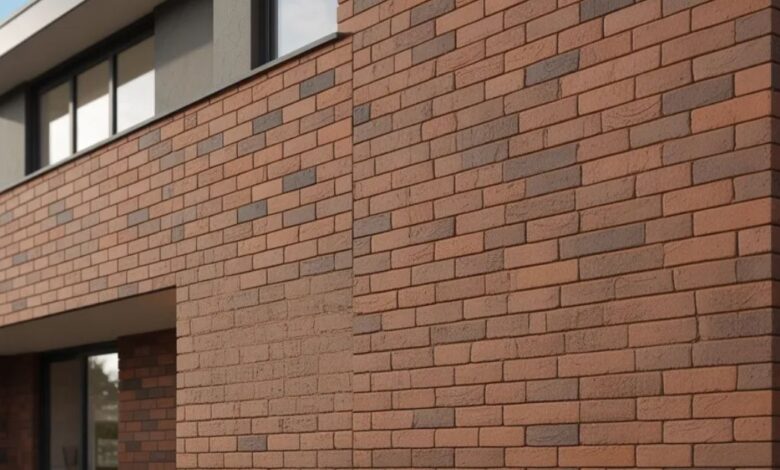
Brick slip cladding is a contemporary architectural solution widely used in both residential and commercial construction across the UK. The use of brick slip cladding, systems, and installation is becoming increasingly popular due to their lightweight structure, realistic brick look, and cost-effectiveness. Brick slip cladding differs from brickwork, offering the same look and feel as full brick walls without the limitations.
The use of Brick slip cladding is prevalent for facades, feature walls, refurbishment work and new construction projects where flexibility is a key component of the design. In modern architecture, brick slip cladding also plays a significant role in supporting new construction techniques such as steel frames and timber structures, demonstrating its versatility.
That is why Brick slip cladding is a popular choice for architects and builders as it provides a balance of durability, compatibility with insulation and visual authenticity.
What is Brick Slip Cladding?
Brick slip cladding is a non-load-bearing exterior or interior wall system in which thin sections of brick, known as slips, are fixed to a substrate using adhesive or mechanical fasteners.
Brick slip cladding is like brickwork, but much lighter and simpler to install. Brick slip cladding systems are designed for modern construction, serving both aesthetic and functional purposes.
Brick slip cladding can be used on a range of areas, including concrete, Blockwork, Insulation boards and Structural frames.
How Brick Slip Cladding Works
A brick slip is a thin brick piece that is adhered to a wall surface. Usually consists of:
- Brick slips (clay or concrete-based)
- Adhesive or mechanical fixing system
- Joints for finishing mortar
- Optional insulation layers
Properly installed brick slips with adhesive will provide adhesion and will look like brick.
Cladding systems made of brick slips are meant for precision alignment and durability.
Types of Brick Slip Cladding Systems
Depending on the project needs, brick slip cladding can be delivered in various types of systems:
Adhesive Bonded Brick Slip Cladding
The Brick slips are adhered to ready-made surfaces using a special adhesive. It is a technique used quite frequently for brick slip cladding on the inside of the building.
External Wall Insulation (EWI) Brick Slip Cladding
Brick slip cladding is applied over the insulation boards, increasing thermal efficiency without compromising the brick façade.
Mechanical Brick Slip Cladding Systems
Brick slips are clipped or attached to metal structures and are appropriate for high-rise and commercial structures.
These are precast brick slip cladding panels
Brick slip cladding is produced in panels in the factory and can be fitted rapidly on-site.
Materials Used in Brick Slip Cladding
Brick slip cladding is made from different materials, such as:
- Clay brick slips
- Reconstituted stone slips
- Concrete brick slips
The brick slip cladding materials are chosen based on their durability, frost-resistance, fire rating and aesthetic requirements. Brick slip cladding systems can usually comply with the UK building regulations for external cladding and insulation compatibility.
Benefits of Brick Slip Cladding
Brick slip cladding has a number of benefits in contemporary construction:
Lightweight Construction
A brick slip wall is a lighter wall than a full brick wall.
Design Flexibility
The brick slip cladding is the perfect way for architects to create complex patterns and contemporary facades.
Cost Efficiency
The Brick slip Cladding is lighter than brick masonry, so it needs less labour and foundation.
Thermal Compatibility
Brick slip cladding can be easily combined with the insulation systems to increase energy efficiency.
Authentic Appearance
Brick slip cladding can create an appearance very similar to that of genuine brick walls.
Applications of Brick Slip Cladding
Brick slip cladding is very popular in various industries:
- Residential feature walls
- Commercial building façades
- Office interiors
- Retail and hospitality environments
- Building renovations and extensions
Brick slip cladding is particularly beneficial when conventional brick construction is impractical due to structural or weight constraints.
Installation Process of Brick Slip Cladding
The brick slip cladding installation involves a systematic procedure, which is as follows:
- Surface preparation and cleaning
- Adhesive or fixing system application
- Placement of brick slips in aligned rows
- Joint finishing with mortar
- Final cleaning and inspection
The installation of brick slip cladding requires precision to ensure uniform spacing and long-term stability.
Seamless installation ensures long-lasting durability and aesthetic finish.
Brick Slip Cladding vs Traditional Brickwork
Unlike conventional brick construction, brick slip cladding has the following differences:
- Brick slip cladding is non-structural
- Brick slip cladding is lighter in weight
- Brick slip cladding is faster to install
- Brick slip cladding is suitable for modern frames
The traditional brickwork provides structural support, while the brick slip cladding is mainly decorative and protective.
Design Options in Brick Slip Cladding
Brick slip cladding provides a good degree of design flexibility:
- Red brick slip cladding
- Grey modern brick slip cladding
- White painted brick slip cladding
- Industrial style brick slip cladding
Brick slip cladding allows contemporary and traditional styles to be achieved.
Maintenance of Brick Slip Cladding
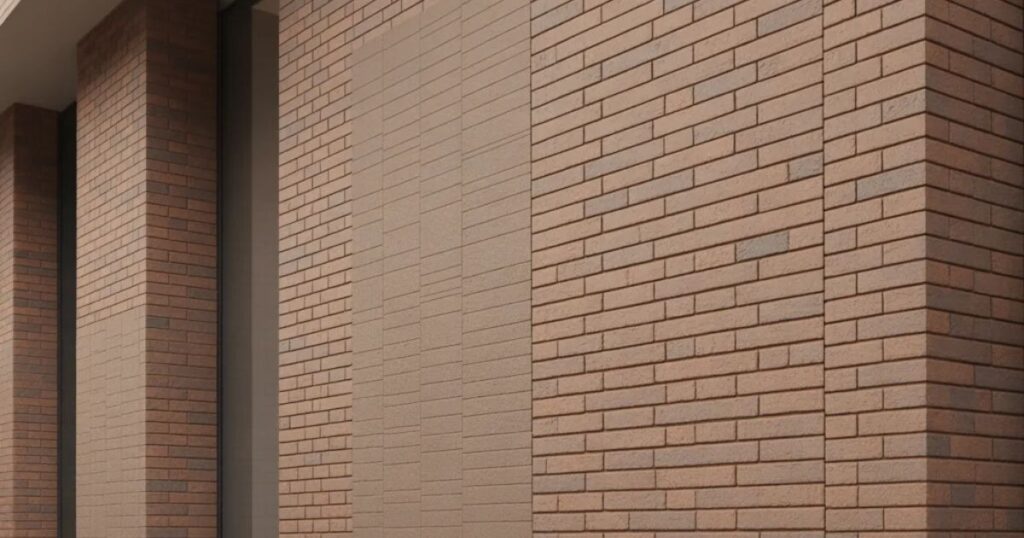
The maintenance requirements for brick slip cladding are minimal, whereas brick walls require more maintenance. Regular cleaning, sometimes checked, makes for long-lasting performance.
With proper installation, brick slip cladding systems will not deteriorate due to weather, frost, or UV exposure.
Conclusion
Combining aesthetics, durability, and practicality, brick slip cladding is a highly efficient and modern construction solution. The Brick slip cladding systems are used extensively in UK architecture because they are flexible, lightweight, and cost-effective.
In today’s era, as developers and architects seek sustainable, aesthetically pleasing façade solutions that meet building codes, Brick slip cladding continues to gain popularity. Brick slip cladding continues to be a popular option across the residential and commercial markets for renovation and new construction.