Vibe Marketing for Short-Form Video: Winning on Reels, Shorts, and TikTok.

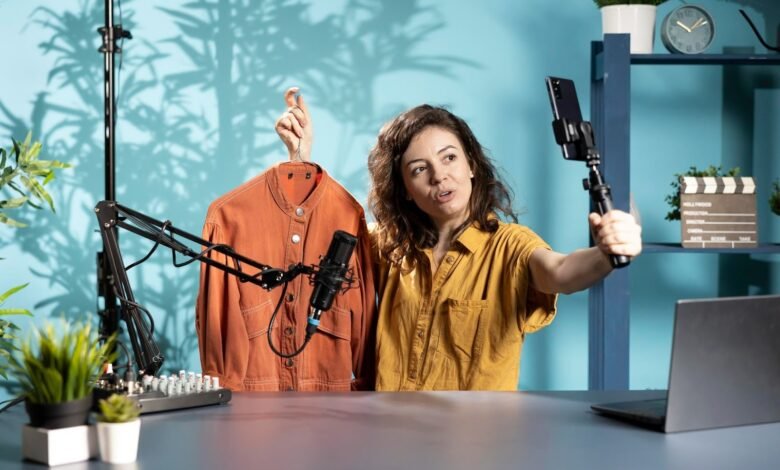
Short-form video has changed how brands communicate. Platforms like Instagram Reels, YouTube Shorts, and TikTok are no longer just entertainment spaces. They are discovery engines where people decide what feels relevant, trustworthy, and worth their time in seconds.
In this fast-scrolling environment, traditional polished marketing often falls flat. What wins instead is vibe. This article explains how vibe marketing works in short-form video, why it matters more than ever, and how brands can build emotional connection without relying on big budgets or overproduced content.
What is vibe marketing in short-form video?
Vibe marketing in short-form video focuses on how content feels rather than how perfect it looks. It prioritizes emotion, tone, and relatability over scripted messaging.
On platforms built for speed and authenticity, users respond to energy more than structure. A casual, emotionally aligned video often outperforms a high-production ad. According to TikTok’s 2024 marketing insights, 73 percent of users say they feel a deeper connection to brands that feel authentic on the platform.
In short-form video, vibe marketing means matching the emotional rhythm of the audience, not interrupting it.
Why do Reels, Shorts, and TikTok reward vibe over polish?
These platforms are designed to keep users scrolling, not stopping to analyze production quality. Algorithms favor watch time, replays, shares, and comments, all of which are driven by emotional reaction.
A Meta study from 2023 showed that Reels ads that felt native to the platform generated 2.3 times higher engagement than traditional video ads repurposed for Reels. Content that blends in emotionally performs better than content that tries to stand out visually.
Vibe works because it feels like content, not advertising.
How fast do brands need to capture attention in short-form video?
Brands have very little time. On average, viewers decide whether to keep watching a short-form video within the first 1.7 seconds, according to Wistia data.
This makes the opening feeling more important than the opening message. If the first moment feels interesting, relatable, or emotionally aligned, viewers stay. If it feels salesy or overly planned, they swipe away.
Vibe marketing shifts focus from hooks that shout to hooks that resonate.
What emotional signals drive engagement in short videos?
Emotion is the primary driver of interaction in short-form video. People are more likely to like, comment, or share content that makes them feel something quickly.
Common high-performing emotional signals include humor, curiosity, honesty, and shared frustration. TikTok internal data shows that videos expressing a clear emotion generate up to 60 percent more comments than neutral informational videos.
The key is clarity. A video does not need multiple emotions. It needs one strong, clear feeling that matches the brand’s identity.
How does vibe marketing shape brand identity on video platforms?
Short-form video creates repeated micro-interactions. Each clip may be small, but together they build a strong emotional profile.
When a brand consistently shows up with a recognizable tone, pacing, and attitude, audiences begin to associate that feeling with the brand itself. Over time, this becomes a powerful differentiator.
Brands that use vibe marketing intentionally do not reinvent themselves with every trend. They adapt trends to fit their existing emotional identity, which builds familiarity and trust.
How can brands use trends without losing their vibe?
Trends move fast, especially on TikTok. Sounds, formats, and jokes can rise and fall within days.
The mistake many brands make is copying trends exactly as they appear. This often feels forced. A better approach is filtering trends through brand vibe. Ask whether the trend fits how the brand usually sounds and behaves.
Many teams exploring Vibe Marketing, often discussed alongside platforms like heyoz, treat trends as tools rather than rules. They adapt the structure of a trend while keeping their own tone and perspective intact.
This balance allows brands to feel current without feeling fake.
Why do lo-fi videos often outperform high-production ones?
Lo-fi videos feel approachable. They look like content made by people, not companies.
According to a 2024 Nielsen report, user-generated style videos drive 35 percent higher trust scores than studio-produced brand videos on social platforms. This does not mean brands should abandon quality, but it does mean perfection is not the goal.
In vibe marketing, credibility comes from presence and honesty, not lighting and scripts.
How important is consistency across Reels, Shorts, and TikTok?
Consistency matters more than sameness. Each platform has its own culture, but the underlying vibe should remain stable.
For example, a brand may be playful on TikTok, informative on Shorts, and inspirational on Reels, but the emotional core should feel connected. According to HubSpot, brands with consistent emotional tone across platforms see 23 percent higher brand recall.
Vibe marketing provides that emotional anchor while allowing flexibility in execution.
What metrics actually reflect success in vibe-driven video?
Traditional metrics like views still matter, but they do not tell the full story. Vibe-driven content should be evaluated through engagement depth.
Watch time, rewatches, saves, and comments often indicate emotional resonance. A TikTok analytics study found that videos with higher average watch time were 4 times more likely to be pushed to broader audiences, regardless of follower count.
These metrics reward content that feels engaging, not just visible.
How can small brands compete with bigger creators using vibe marketing?
Short-form video has leveled the playing field. Algorithms prioritize performance, not budget.
A small brand with a clear vibe can outperform larger competitors by being faster, more relatable, and more culturally aware. Data from Later shows that accounts with under 50,000 followers can achieve engagement rates similar to large brands if their content feels authentic.
Vibe marketing allows smaller teams to win on connection instead of scale.
What mistakes should brands avoid in short-form vibe marketing?
One common mistake is trying to sell too quickly. Short-form video is about building familiarity before conversion.
Another mistake is inconsistency. Jumping between tones confuses audiences and weakens emotional recognition. Brands should also avoid copying creators without understanding why their content works.
Vibe marketing requires observation, experimentation, and restraint.
How does vibe marketing support long-term growth on video platforms?
While short-form video feels fast, growth happens through accumulation. Each emotionally aligned video strengthens the relationship with the audience.
Over time, viewers begin to expect a certain feeling from a brand’s content. This expectation drives loyalty and repeat engagement. According to a Salesforce study, emotionally connected customers have a 306 percent higher lifetime value than average customers.
Vibe marketing turns fleeting attention into lasting connection.
Conclusion
Winning on Reels, Shorts, and TikTok is not about chasing every trend or producing flawless videos. It is about showing up with a clear, consistent emotional presence that feels human in a crowded feed.
Vibe marketing helps brands move at the speed of culture without losing themselves. In short-form video, attention is borrowed, but connection is earned. Brands that understand how to communicate feeling, not just information, are the ones that get watched, remembered, and trusted.
See more amazing Information visit Fact News